KooeeKeis Australian Cobberdogs ~ Ethical Family Breeder in WA

Can an Australian Cobberdog Assistance Dog?
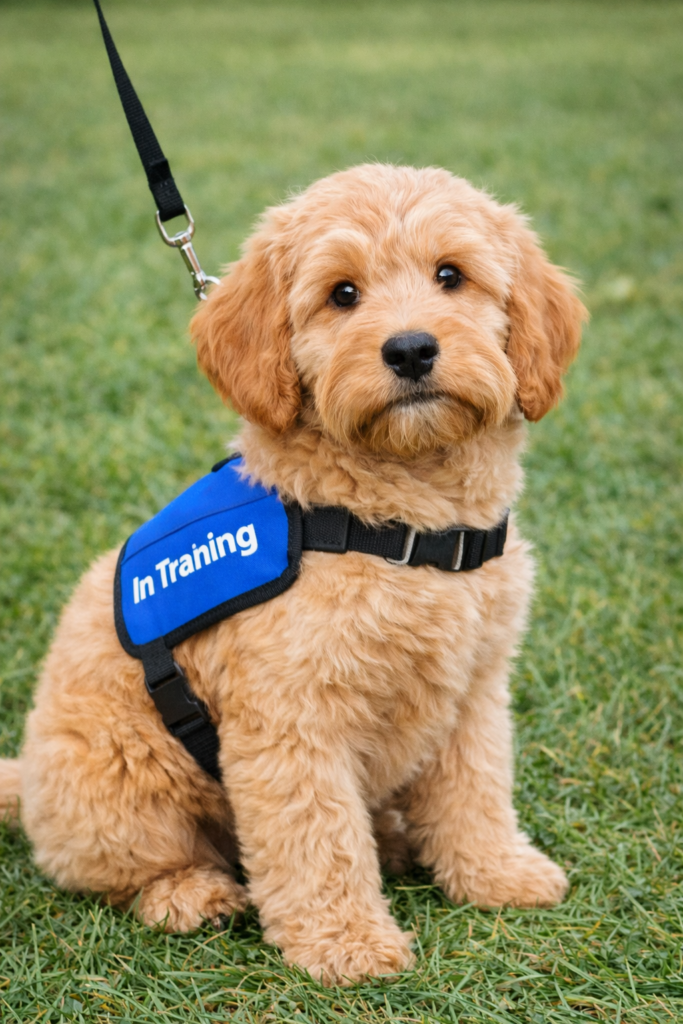
Australian Cobberdogs were originally developed for therapy and assistance work, and their gentle, intuitive nature makes them outstanding partners for people who need practical and emotional support. At KooeeKeis we carefully consider temperament, structure, and family goals to determine whether a puppy may be suited to the Assistance Dog pathway.
With the correct training most will quickly learn. An Australian Cobberdog Assistance Dog – YES
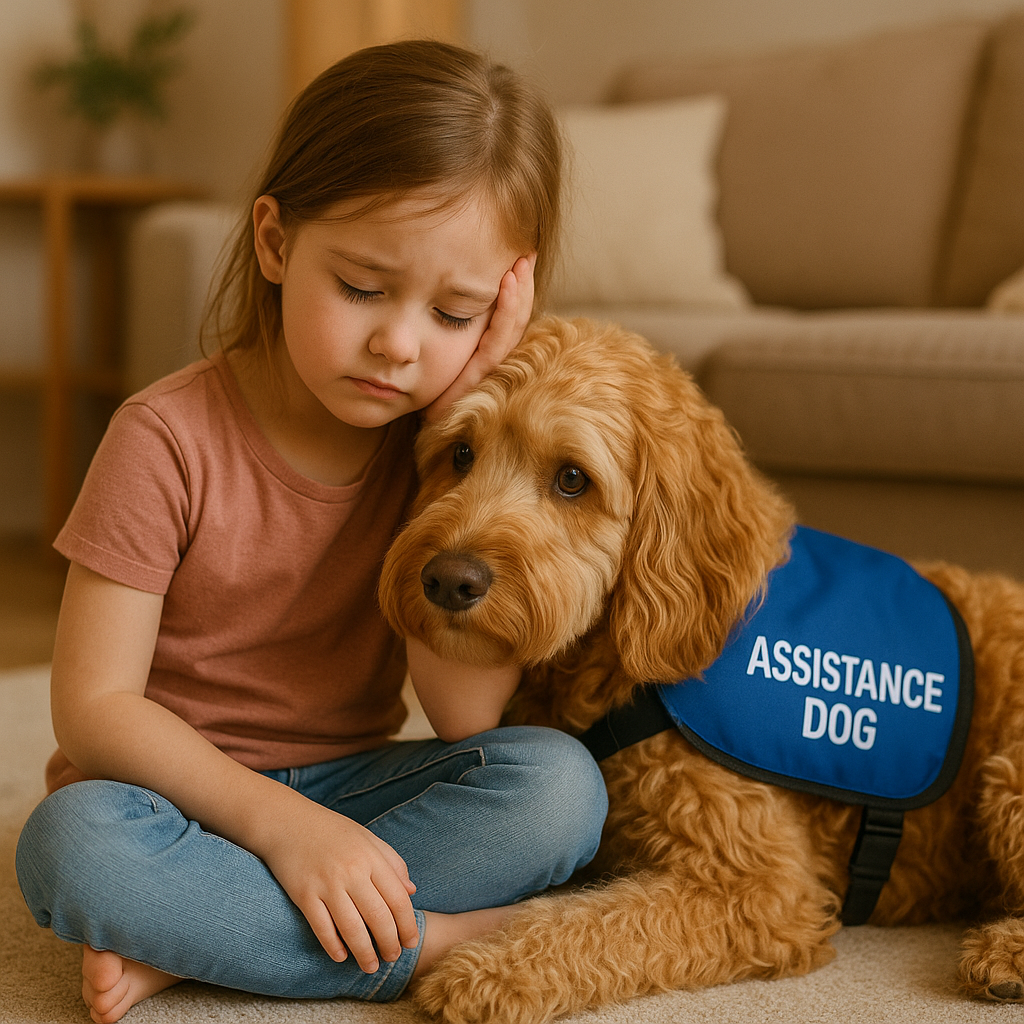
At KooeeKeis Australian Cobberdogs, the answer is a wholehearted yes — when the right dog is carefully chosen, purpose-bred, and trained correctly.
Australian Cobberdogs are renowned for their human focus, emotional intelligence, biddability, and stable temperaments — qualities that are essential for assistance work. When matched thoughtfully and trained with intention, a Cobberdog can perform an extraordinary range of tasks that genuinely change lives.
What Jobs Can an Assistance Dog Do?
Assistance Dogs are not “one-size-fits-all.” They are highly trained working partners, capable of learning 50+ specialised tasks depending on the needs of their handler. These tasks generally fall into five key areas.
1. Mobility Support
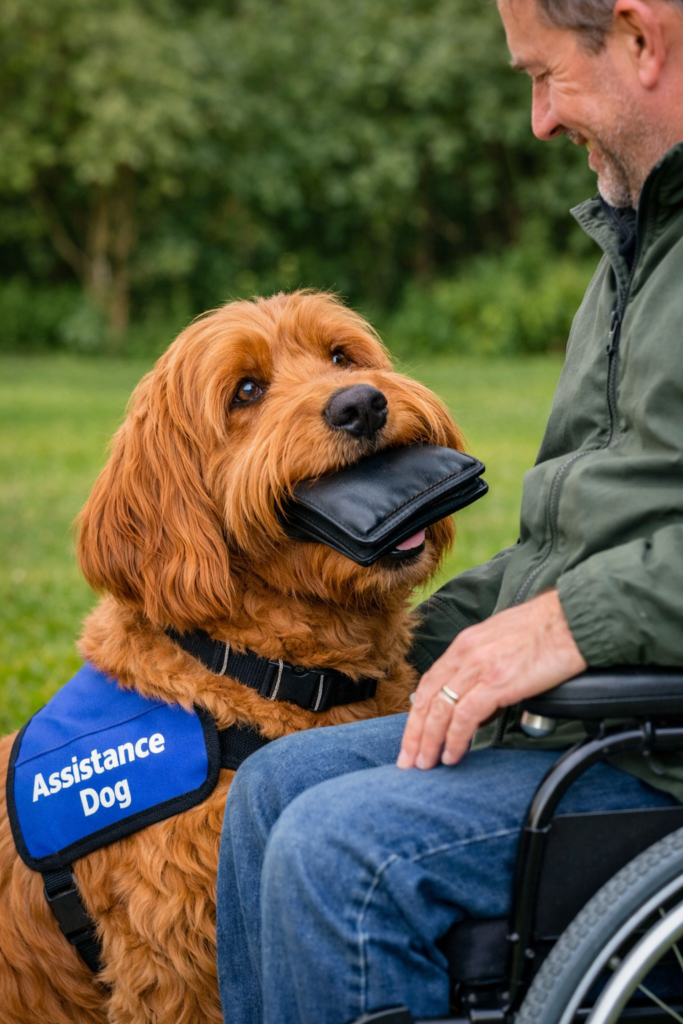
For people with physical disabilities, balance challenges, or reduced mobility, Assistance Dogs can help restore independence and confidence.
Typical tasks include:
• Opening and closing doors, drawers, fridges, and cupboards
• Retrieving dropped or named items such as phones, keys, remotes, wallets, or medication
• Pressing pedestrian crossing buttons, elevator buttons, and light switches
• Providing counterbalance while walking
• Assisting with transitions from sitting to standing
• Helping pull wheelchairs when trained and appropriate
Cobberdogs excel here due to their willingness to work, physical awareness, and calm presence beside their handler.
2. Sensory Support (Guide & Hearing Assistance)
Some Assistance Dogs act as their handler’s eyes or ears, offering safety and independence in everyday life.
Guide support may include:
• Navigating safely around obstacles
• Indicating curbs, stairs, and changes in terrain
• Practising intelligent disobedience — refusing a command if it would place the handler in danger
Hearing support may include:
• Alerting to doorbells, smoke alarms, ringing phones, or alarms
• Making physical contact and leading the handler to the sound source
The Cobberdog’s attentiveness and strong handler bond are key strengths in sensory assistance roles.
3. Medical Alert & Response
Some Assistance Dogs are trained to detect subtle physiological changes — often before the handler is aware.
Examples include:
• Diabetes alert — detecting changes in blood sugar levels
• Seizure response — alerting prior to an episode and assisting with recovery
• Allergy detection — identifying dangerous allergens such as nuts
Not every dog is suited to this work, but when the aptitude is present, Australian Cobberdog assistance dogs can be exceptional medical partners.
4. Psychiatric Assistance
For individuals living with PTSD, anxiety disorders, autism, or other psychiatric conditions, an Assistance Dog can be life-changing.
Tasks may include:
• Interrupting panic attacks or night terrors
• Providing Deep Pressure Therapy (DPT)
• Grounding during dissociation or flashbacks
• Creating personal space in public
This is an area where the Cobberdog’s empathy, intuition, and emotional steadiness truly shine.
5. Specialised Autism Support
Some Assistance Dogs are trained specifically to support children and adults on the autism spectrum.
Support may include:
• Helping distinguish important sounds from overwhelming noise
• Acting as a physical anchor to prevent wandering
• Providing tactile grounding and emotional regulation
• Supporting communication and routine stability
At KooeeKeis, we see firsthand how the right Cobberdog can become a deeply reassuring and trusted companion in these roles.
A Note on Legal Status (Australia – 2026)
Fully trained Assistance Dogs hold Public Access Rights under Australian federal and state legislation, including the Disability Discrimination Act.
This means they may legally accompany their handler into:
• Shops and supermarkets
• Cafés and restaurants
• Public transport
• Medical facilities and public buildings
This recognition does not apply to Emotional Support Animals (ESAs).
The KooeeKeis Difference
Not every Cobberdog — and not every family — is suited to the Assistance Dog pathway.
That is why at KooeeKeis we focus on:
• Purposeful breeding with temperament first
• Early neurological stimulation
• Structured exposure and socialisation
• Detailed personality assessments
• Honest conversations about suitability
• Thoughtful matching — never assumptions
Prepared with intention. Placed with care.
Considering an Assistance Prospect?
If you are seeking an Australian Cobberdog assistance dog prospect, we encourage an open conversation before joining our waitlist. We will talk honestly about your needs, the realities of training, and whether a Cobberdog is the right match for your situation. Our role is to support families with clear guidance, not simply to place a puppy.
Further reading: