KooeeKeis Australian Cobberdogs ~ Ethical Family Breeder in WA

Chew Toy Training: Why Every Puppy Needs the Appropriate Toys
At KooeeKeis Australian Cobberdogs, we believe one of the simplest and most powerful training tools you can introduce to your puppy is a Chew Toy. Done correctly, toy training builds calm behaviour, prevents destructive chewing, reduces barking, and helps your puppy learn how to settle happily on their own.
Dogs are naturally social and inquisitive animals. They need a job to do — especially when left home alone. Without guidance, that “job” may become chewing furniture, barking at shadows, or digging in the garden. A well-introduced toy gives your puppy a safe, satisfying, and productive outlet for their natural chewing instincts.
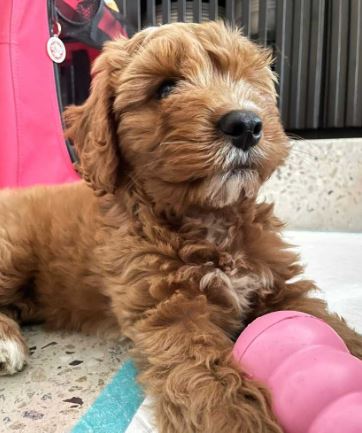
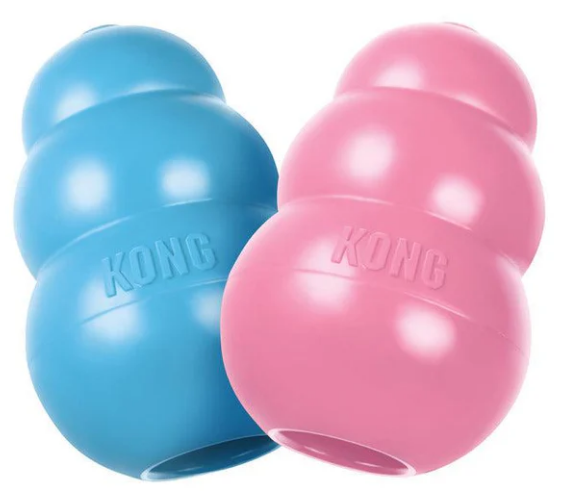
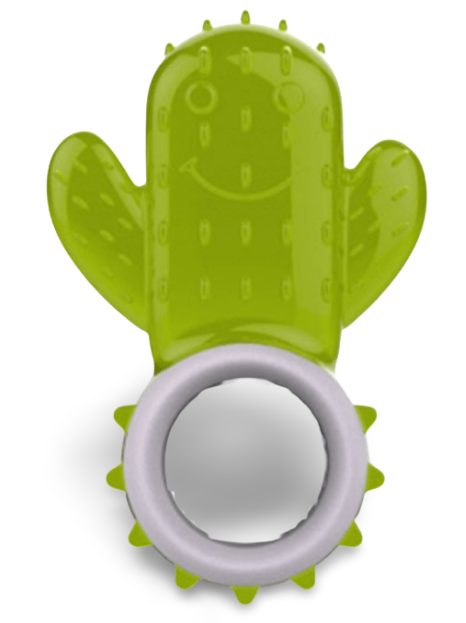
What is a Chew Toy?
A durable enrichment toy, non-destructible, non-consumable object designed specifically for safe chewing. If your puppy can destroy it, it is not an appropriate toy. If your puppy can swallow it, it can be dangerous.
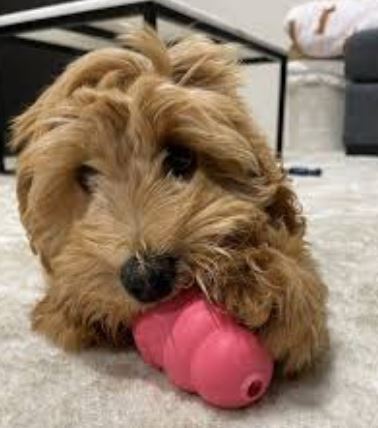
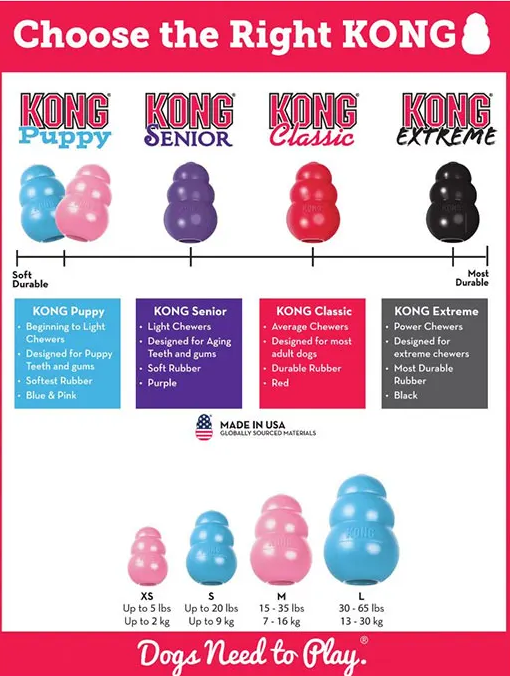
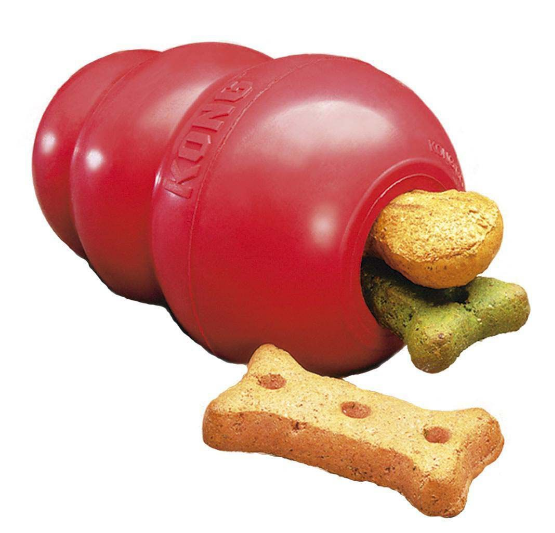
The ideal toy is a hollow feeding toy, strong, and able to be stuffed with food. We are big fans of products like the Classic Kong, as well as similar durable rubber options. Hollow sterilised bones can also work well. The key feature of any good Chew Toy is that it can safely hold your puppy’s kibble.
Why Feed from a stuffed Kong-style Toy Instead of a Bowl?
One of the most common mistakes in dog husbandry is feeding from a bowl. Bowl feeding takes seconds. Your puppy gulps their meal and is then left with hours of unoccupied time.
In contrast, feeding from an durable enrichment toy turns every meal into mental stimulation.
In the wild, dogs spend most of their waking hours searching for food. When we provide a toy stuffed with kibble, we replicate this natural behaviour in a safe and controlled way. Each piece of kibble that falls from the Chew Toy rewards your puppy for:
Settling calmly
Chewing appropriately
Not barking
Relaxing independently
A puppy engaged with a toy is not chewing shoes. A puppy working on a toy is not barking for attention. A puppy focused on his toy is not developing anxiety-driven habits.
Getting Started with Chew Toy Training
At KooeeKeis Australian Cobberdogs, training begins early as part of our puppy socialisation program.
Puppies begin exploring toys around three weeks of age. By six to twelve weeks, curiosity and teething increase significantly — making this the perfect window to establish a strong Chew Toy habit.
Here’s how to begin:
Purchase at least six durable, hollow toy options.
Fill a toy with your puppy’s dry kibble.
Hand it to your puppy and allow them to explore.
As they roll, paw, and chew the toy, small rewards fall out. Very quickly, your puppy will understand that their toy equals food and fun.
If you are leaving the house, provide two food-stuffed toy options. This gives your puppy a “job” and makes it far easier for them to settle.
Making the Toy More Exciting
Once your puppy understands the game, you can increase the challenge:
Smear a little honey or peanut butter inside the toy before adding kibble.
Soak kibble in water, spoon into the toy, and freeze overnight.
Prepare several frozen toy meals and keep them ready in the freezer.
A frozen toy can keep a puppy happily engaged for extended periods, especially during teething.
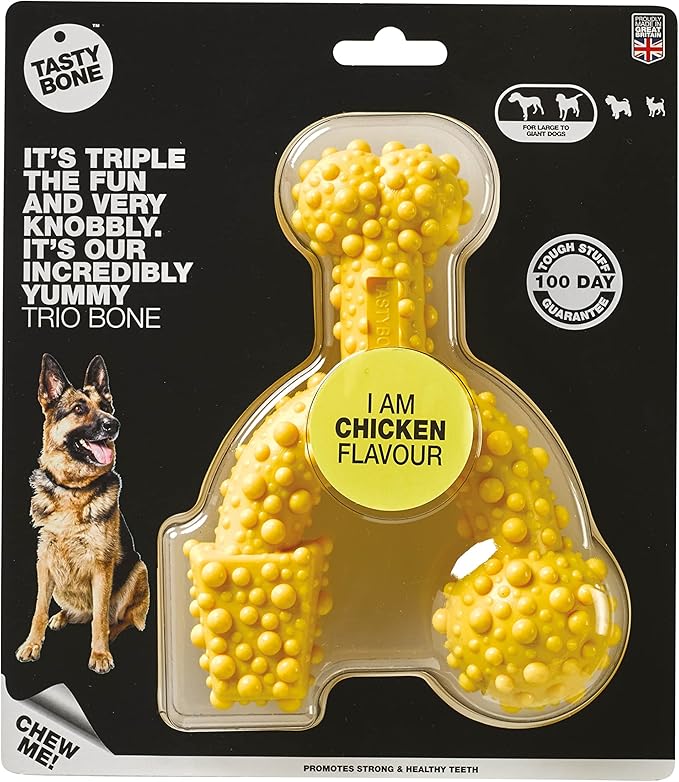
Redirecting Puppies Behaviour
If you catch your puppy chewing something inappropriate, calmly redirect:
“Get his stuffed toy.”
Immediately provide a food-stuffed toy. Over time, your puppy will automatically seek their toy when they feel the urge to chew.
You can also teach cues such as “Find your toy” or “Fetch your toy” to make redirection effortless.
The Power of a Strong Chew Toy Habit
When you limit your puppy’s chewing options to approved toy choices, you create what we lovingly call a “Chew Toy enthusiast.”
This habit prevents:
Destructive chewing
Recreational barking
Pacing and fretting
Separation anxiety behaviours
Chewing and barking are mutually exclusive. Chewing and dashing about are mutually exclusive. A puppy absorbed in his toy is physically unable to engage in many undesirable behaviours at the same time.
For anxious or obsessive dogs, his toy can be one of the healthiest coping tools available. It provides a safe outlet for mental energy and repetitive urges in a controlled and beneficial way.
Toy Training and Confinement
For error-free toy training, use structured confinement:
When away: puppy playroom with bed, water, toilet area, and multiple stuffed toy options.
When home: short periods in a crate or den with his toy.
Short-term confinement teaches your puppy to settle independently. Occasional longer practice sessions while you are home allow you to monitor behaviour.
If your puppy vocalises, calmly ignore the noise. The moment they stop and engage quietly with their toy, reward with gentle praise or a small piece of kibble.
Teaching Your Puppy to Settle
One of the most important life skills for any Australian Cobberdog puppy is learning that there are times for play and times for quiet.
A Chew Toy teaches this beautifully.
By feeding from a Chew Toy instead of a bowl, you are:
Providing mental enrichment
Preventing destructive behaviour
Reducing anxiety
Encouraging calm independence
Strengthening positive habits
And remember — good habits are just as hard to break as bad ones.
A puppy who grows up loving their Chew Toy will carry that calm, self-settling skill into adulthood.
At KooeeKeis, we truly believe Chew Toy training is one of the most effective, simple, and stress-reducing tools available for both puppy and owner.
A Chew Toy for your dog is also a gift to yourself.
We purchase most of our products from Pet Circle. We find their pricing reasonable and fast postage
Note: we are not affiliated with Pet Circle
If you enjoyed reading this informative article on feeding from a toy rather than a bowl.
You may find our article on Crate Training helpful.
