KooeeKeis Australian Cobberdogs ~ Ethical Family Breeder in WA

HOW TO EASE YOUR PUPPY’S SEPARATION ANXIETY
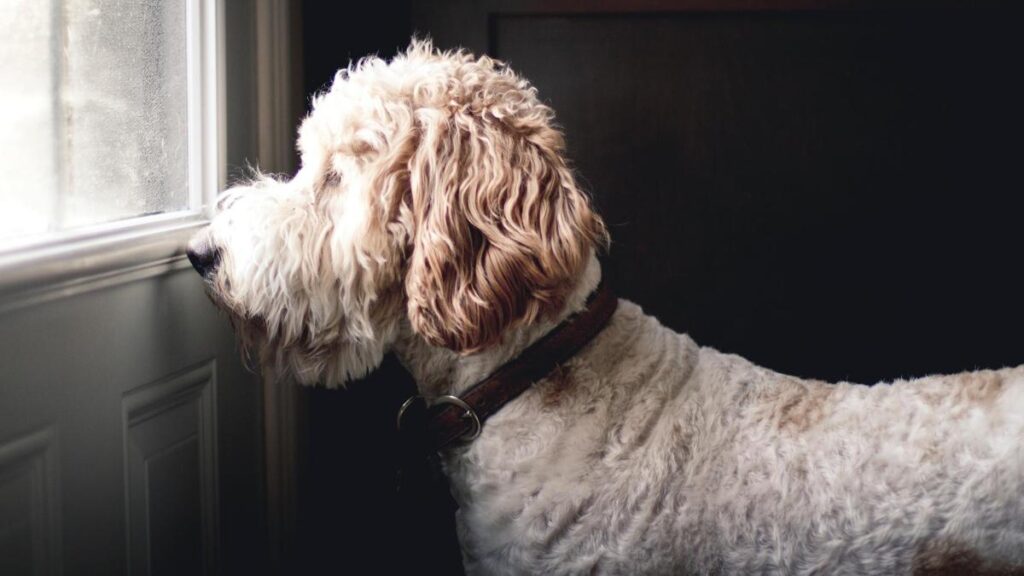
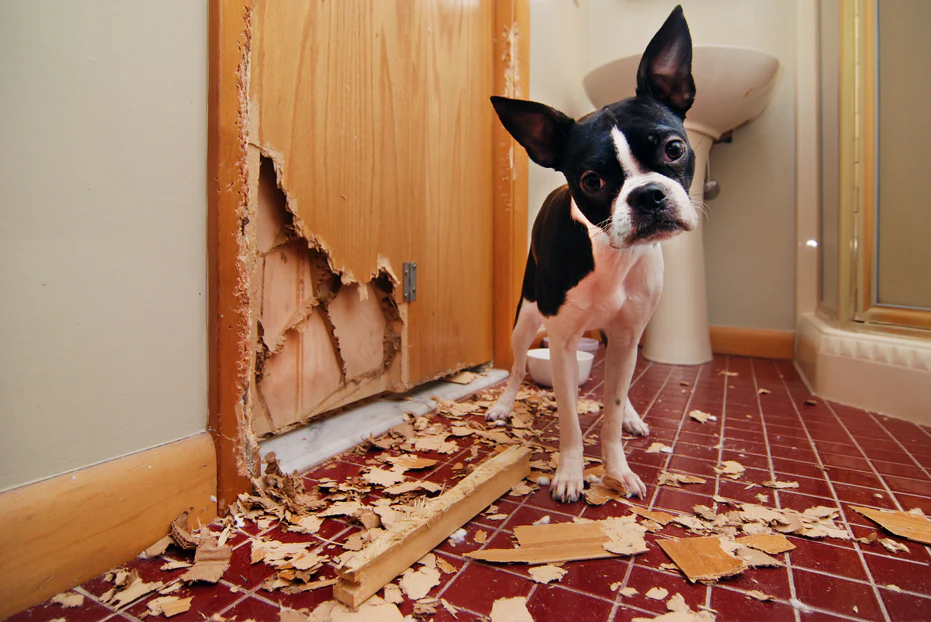
It can be easy to forget that in the eyes of your puppy, you are the entire world. When you head out the door, it can seem like that world is ending! This can result in scratching at the door, barking or howling excessively, chewing anything in reach or bathroom mishaps for some pups. All of these coping behaviours can be signs of separation anxiety.
To help your puppy learn that you’ll always be back and they have no need to worry, you need to get them used to their alone time gradually. Our detailed guide offers solutions and methods to help you avoid issues of increased separation anxiety that can lead to other problems like stress, trouble with socialisation and lower levels of physical activity. Read on to avoid this and learn how to ease your puppy’s separation anxiety, thanks to our expert tips.
IS SEPARATION ANXIETY COMMON IN PUPPIES?
Some puppies suffer separation anxiety, and some do not. While the reasons for this are unclear, previous traumatic separation or a single traumatic event while they were alone can be causes. Your pup’s personality can also play a role, as can a sudden switch in schedule, absence of a family member, even moving to a new home – research suggests that a lack of daily exercise can also be a possible cause.
Regardless of causation, separation anxiety can be common trait that needs to be rectified as soon as possible. The goal is to reduce anxiety for both dog and owner when leaving the puppy home alone. The below information provides greater insight into separation anxiety and is a guide to help ease it.
HOW TO KNOW IF YOUR PUPPY IS SUFFERING FROM SEPARATION ANXIETY
Separation anxiety is a serious condition that creates high levels of stress for your puppy and often results in abnormal behaviour when left alone. Puppies may cry a little when you leave the house, but separation anxiety is usually explained by more extreme behaviours, such as:
- Destructive or disruptive behaviour
- Chewing items or tearing up the room
- Scratching or chewing of the door
- Continual barking and whining
- Bathroom accidents around the house
It’s important to note, these behaviours might not always be linked to separation anxiety. If your puppy hasn’t received sufficient training, or is currently going through puppy training then you may experience similar traits to the ones listed above.
COMMON SIGNS THAT YOUR PUPPY HAS SEPARATION ANXIETY?
The following are some common signs that indicate your puppy may be suffering from separation anxiety:
- Barking, Crying and Howling – When left alone or separated from the owner, the dog is persistent with barking and howling and is not triggered to do this by any other situation.
- Urinating/Defecating in the House If a dog urinates or defecates in the home while alone, especially when they are already toilet trained, this could be a sign of separation anxiety. If they still do this while you are around, this could be poor training or another issue which may need to be checked out by your case vet.
- Destructive Chewing Some separation anxiety behaviours include chewing on objects or parts of the home like door frames or window sills. This is very serious as it can result in self-injury.
- Attempts to Escape Puppies with separation anxiety may try to escape by digging and chewing through doors or windows, which, as in the above point, could result in broken teeth or cuts.
- Pacing The repetitive trot of a specific path can signify separation anxiety. Your pup may move in a fixed pattern (circles or lines) which they do not do when you are around.
WHAT CAUSES SEPARATION ANXIETY IN PUPPIES?
As mentioned above, the reason why some puppies suffer from separation anxiety is relatively unknown. There can also be multiple factors contributing to a fear of being alone in individual pups. In most cases, some form of previous life experience can have created the issue. For young puppies that may have spent the first 8 weeks of their lives with their mother and siblings, entering a new home without this support can be overwhelming. Your dog’s temperament will also be a factor. For example, clingy puppies are more akin to separation anxiety than independent pups who are happy to entertain themselves. Other key factors that can lead to separation anxiety in puppies include:
CHANGE IN YOUR PUPPIES SCHEDULE
Dogs are creatures of habit; they love and learn routine, so a sudden and dramatic change to their regular daily schedules can trigger separation anxiety. This is a particular issue post-lockdown (especially for those who added a puppy to the family during this time) as you move to a full-time office role after working from home for the duration of the pup’s time with you.
CHANGE OF FAMILY MEMBER
The sudden disappearance of a regular family member can trigger a sense of abandonment in your pup, which can lead to separation anxiety. For example, a child may move out of the home, or a family member might pass away. If this person has played an essential role in your dog’s life, they will experience distress due to their absence.
CHANGE OF RESIDENCE
A significant change to familiar surroundings can cause anxiety in puppies who have become comfortable in a home. To offset this, it is vital to show your dog that the new home is a safe space and set up their area with familiar items like blankets, beds and toys to help them get used to their new surroundings.
FEAR-RELATED ANXIETY
Fear-related anxiety can be caused by anything that creates stress for your pup. This can be surprisingly loud noises, new environments, a new pet in the house, or anything unexpected and new.
HOW TO LEAVE YOUR PUPPY ALONE WHEN YOU’RE AWAY
The best way to ease a puppy’s separation anxiety is by ensuring they are comfortable when home alone. The following options are simple things that you should do as soon as you bring your puppy home, if possible, to avoid the issue altogether. If your pup is already experiencing separation anxiety, add these methods to their daily routine so they can be left indoors without any problems in the future:
It is crucial to note that dogs with separation anxiety can experience exacerbated stress and emotional reactivity when left in an enclosed space. For this reason, you will need to start with concise sessions in the crate. It is also unacceptable to crate your dog for long periods as this limits their exercise, social and behavioural needs, and chance to go to the toilet. Puppies should never be in a crate for more than 1-2 hours, for adult dogs no more than 3-4 hours.
EXERCISING YOUR PUPPY
Exercise is an excellent method for reducing separation anxiety and boredom in dogs. Adequate exercise before your departure can prevent signs of anxiety due to fatigue. Over time, your pup will associate fatigue with your absence, lowering stress levels. Exercise provides a distraction for an under-stimulated dog, and puppies have a lot of energy, which, when pent up, can lead to destruction the next time they are alone.
You can also use various toys that create brain exercises for your pup while you are away, as mental exhaustion is just as effective as physical. Toys like the Kong, which traps treats inside, forcing the puppy to knock the toy around to slowly remove the food, can be a great distraction method when you aren’t around.
Don’t Encourage Your Puppy To Be Clingy
Clingy behaviour is a fast-track to separation anxiety and should not be encouraged by the owner. To ensure you avoid this, follow these steps:
- Monitor your pup’s behaviour, noting when they are most clingy.
- If they are clingiest before you leave the house, grab your coat and keys, but don’t leave. This teaches the dog that those triggers aren’t always a precursor to separation.
- As hard as it can be, ignore the dog when they are clingy. Act boring and non-stimulating, as responses to needy, attention-seeking behaviour inadvertently train your dog to be clingy. Ignoring clingy behaviour shows the pup that it doesn’t get a positive outcome.
- Reward your dog for voluntarily separating themself from you. Leave distractions like toys and treats around the house and when your dog spots them, offer excitement. The goal is to teach the pup that their environment is stimulating when they leave your side.
Counter-Conditioning Your Puppy
Counter-conditioning is the method of changing your pet’s emotional response toward a stimulus. This is done by pairing an action with a reward to change your pup’s emotional state to one that is calm and positive.
To be successful with this method, you need to prevent exposure that leads to a negative outcome during training. Using a sit and focus command is one example of this. By associating the experience of you leaving the house with something positive, you will slowly teach your puppy that they will be ok when left alone.
An example of this process:
- Establish a routine that indicates you are about to leave the house
- Have your puppy sit calmly by showing them the treat they will receive when they do
- Give the treat to your dog each time you start your “leave the house” routine and exit through the front door
- Repeat this, so your dog understands that you leaving the house results in a yummy treat
How Do You Stop A Puppy From Crying When Left Alone?
Separation anxiety has many different intensity levels, and continuous crying, howling, and barking can create as much stress in you when you leave home as your dog. To save the angry notes from neighbours, here are some quick tips for quieting your canine crooner:
- Leave the TV or radio on when you head out.
- Don’t make a big deal about leaving or when you come home.
- Consider a dog walker/sitter or doggy day care.
- Adopt a friend for your pup!
How Long Can A Puppy Be Left On Their Own?
The determining factor for how long a dog can be left inside on their own often aligns with their toilet schedule. Adult dogs generally require a visit to the lavatory between three to five times a day. Puppies, however, need a lot more breaks!
A very rough rule of thumb for puppies is one hour of alone time for every month of age. Some common time limits for puppies are as follows:
- 8–10 weeks: One hour or less, and even that is pushing it.
- 10–12 weeks: Bladder capacity is slightly better, but two hours is still the maximum at this point.
- 3–6 months: The one hour per month rule above kicks in here.
- 6 months and over: Up to six hours, but training with a dog door will make life easier for everyone at this point.
HOW TO HELP PUPPIES WITH THEIR SEPARATION ANXIETY
If your puppy is experiencing serious separation anxiety then we suggest taking a trip to the vet and animal behaviourist. Sometimes puppies develop behavioural problems due to health concerns, which is why it’s important your puppy be checked out by the vet first and foremost.
The sooner you can teach your puppy to be comfortable on their own, the better. Start obedience training as soon as you can to instil good behaviours and help your pup cope with their anxiety. Never scold or punish anxious behaviours as they are not the result of disobedience; instead, they are distress signals from an upset pup who is processing a great deal of stress. Punishment can exacerbate the problem, causing it to continue as the dog gets older.
If the problem is more serious then perhaps it’s time to seek help from a professional. Professional behavioural therapy is a great way to manage and prevent behavioural issues forming in puppies as well as separation anxiety.
Follow the tips above, lead an active, healthy lifestyle with your pup, and continue to learn how to be a great owner.
